October is LGBTQ+ History Month. LGBTQ+ people have always existed, but LGBTQ+ history, which is an integral part of the history of the United States, has often been ignored or erased. We offer this updated resource page for learning and teaching about the contributions of LGBTQ+ people, including articles, guides, posters, webinars and more.
Our 13-episode podcast series, Queer America, is devoted to this understudied history. Join hosts Leila Rupp and John D’Emilio on a journey that spans from Harlem to the Frontier West, revealing stories of LGBTQ+ life we should have learned in school.
Global Campus Human Rights Journal (GCHRJ) is an open access journal published under the auspices of the Global Campus of Human Rights, and is supported financially by the European Union. No fees are charged for submission, article processing or publication.
📌 Topics: GCHRJ welcomes submissions on a wide range of topics relating to the fields of human rights and democratisation at the local, national, regional and global levels. We particularly encourage multi- and inter-disciplinary perspectives and welcome a range of methodological approaches.
🔗 Read the full Call for Papers on the e-journal’s open-access website: https://lnkd.in/d8xgKeEG
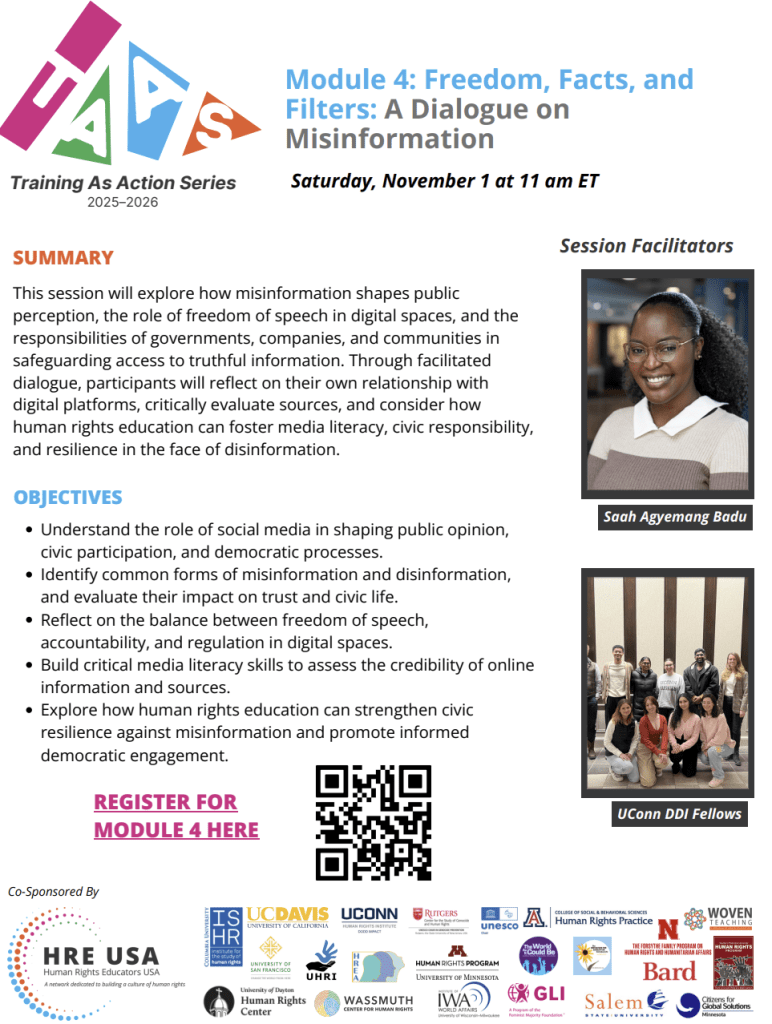
This session will explore how misinformation shapes public perception, the role of freedom of speech in digital spaces, and the responsibilities of governments, companies, and communities in safeguarding access to truthful information. Through facilitated dialogue, participants will reflect on their own relationship with digital platforms, critically evaluate sources, and consider how human rights education can foster media literacy, civic responsibility, and resilience in the face of disinformation. Register here
Human Rights Educators USA’s annual Training as Action Series (TAAS) is a virtual training series focused on bridging personal and collective action on some of the most critical human rights issues of today. TAAS creates an educational space to connect and collaborate with others in human rights education and training. It also gives participants the skills and information needed to take action on rights issues in their communities.
The 2025–2026 Training as Action Series will center on the theme, “Defending Democracy and Human Rights in a Changing World.” This year’s sessions will explore urgent issues such as misinformation, protest rights, climate justice, and digital surveillance, highlighting how human rights education can equip communities to respond with clarity, courage, and collective action. Those who attend six or more sessions will receive a certificate from HRE USA. 2025-26 TAAS Flyer
HRE USA is a project of the Center for Transformative Action.
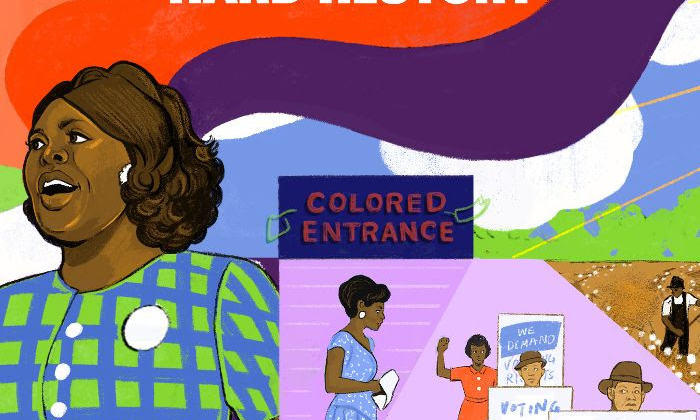
Putting the Movement Back Into Civil Rights Teachingand companion website offer a collection of lessons, essays, articles, primary documents, and poetry to help educators move beyond a “heroes and holidays” approach to teaching about the Civil Rights Movement in pre-K–12 classrooms.
Join us on Tuesday, November 11, 2025, at the Smithsonian’s National Museum of the American Indian in New York for an informative and inspiring professional development event featuring the latest Native Knowledge 360° resources.
Learn about the roles Haudenosaunee leaders and communities played during the American Revolution with a deep dive into two powerful new tools designed to bring Native voices and experiences into your classroom:
Native Women Leading the Way: From Revolution to the Future is a teaching poster that spotlights three remarkable Native women who led their communities through the conflict of the American Revolution and beyond.
How Did the Haudenosaunee Persevere Through the American Revolution? is an engaging digital book tailored for middle school students that emphasizes the resilience of the Haudenosaunee people.
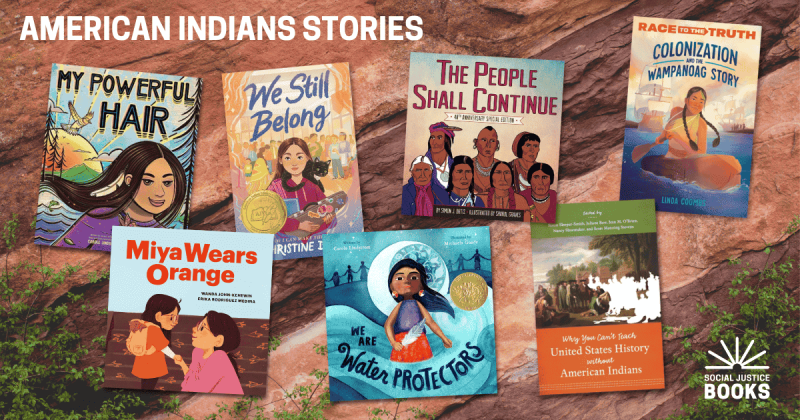
We offer recommended books for pre-K–12 that challenge stereotypes and focus on contemporary Native Americans. Our list is drawn from books recommended by Debbie Reese of American Indians in Children’s Literature.
The relaunched Teaching Hard History podcast series is back with two episodes exploring how to use films and documentaries to teach critical history.
Host Hasan Kwame Jeffries, Ph.D., is joined by film historian Ron Briley, sharing practical, actionable strategies to use film in learning settings to frame the narrative of complex topics, including American slavery, the Civil War and Reconstruction.
In this course, learners will explore the impact problematic narratives about Native Americans have on society and student education, as well as learn ways to recognize and share more complete narratives, both inside and outside the classroom.
We are delighted to share the publication by Teresa M. Cappiali of a new open-access book, Transformative-Emancipatory Pedagogy (TEP) to Reimagine Education: Tackling Controversies in Diverse Settings (Palgrave Macmillan, 2025).
Alongside it, she has also released the first booklet of the TEP® Booklet Series (published by NOIWE), which offers a short, practical entry point into the approach: Download the booklet in English or French
Beyond the publications, her aim is to build a global network and community around TEP—a vision of education as a transformative, humanizing, and justice-oriented practice. If you’d like to be part of this journey, here’s the link: Join the TEP Community







 Access the book (Open Access):

 HRE USA