Take a look at what HRE USA has been up to over the past year.
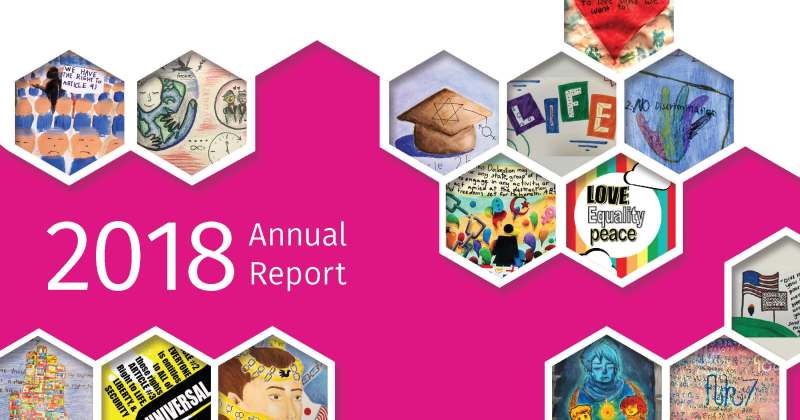
Take a look at what HRE USA has been up to over the past year.

Date: Friday, April 12, 2019
Time: 9:00 A.M. – 3:45 P.M.
Where: Skadden, Arps, Slate, Meagher & Flom, LLP, New York, NY
Cost: Professional/Private Practice: $350
Public Interest/Nonprofit/Academia/Government: $0
4 Standard CLE Credits available
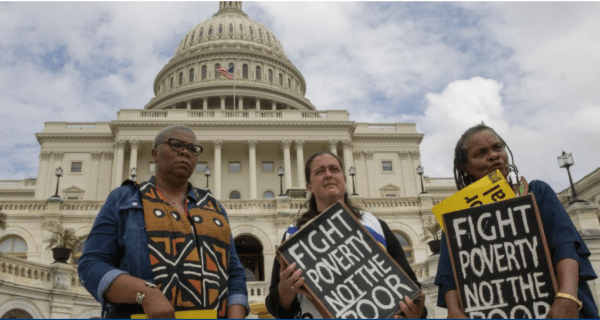
The Bringing Human Rights Home Network will hold its annual conference. The event is co-sponsored with the Columbia Human Rights Institute and others. This year’s topic is Securing Fundamental Human Rights & Challenging Criminalization of Poverty. The event is free for public interest attorneys including academics. Topics include the criminalization of homelessness as well as leveraging human rights strategies.
4 Standard CLE Credits
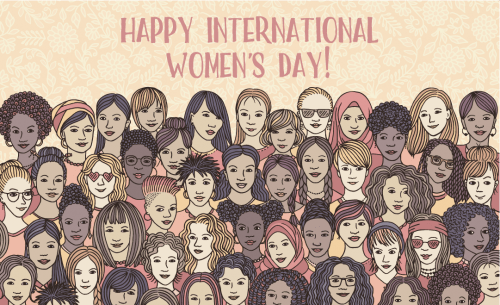
International Women’s Day and Women’s History month provide us the important opportunity to educate and inspire students about the role of women in society. To not only recognize and honor the battles that have been won by women, for women but also to continue to challenge the gender stereotypes and biases that continue to drive inequality today.
“Here’s to strong women, may we know them, may we be them, may we raise them.”
~ Unknown
Classroom education about gender equality is the most grassroots difference anyone can make to advance women’s rights. Research shows that gender bias at primary school can have long-lasting implications for pupils, and children as young as three years old already become aware of gender differences and absorb stereotypes about the activities, toys or traits and skills that are associated with each gender.
Check out the following resources to help champion women’s rights in your classroom:

Rethinking Ethnic Studies is an essential guide for the revitalization of ethnic studies in K-12 classroom.
It brings together many of the leading teachers, activists, and scholars in this movement to offer examples of Ethnic Studies frameworks, classroom practices, and organizing at the school, district, and statewide levels.
Built around core themes of indigeneity, colonization, anti-racism, and activism, Rethinking Ethnic Studies offers vital resources for educators committed to the ongoing struggle for racial justice in our schools.
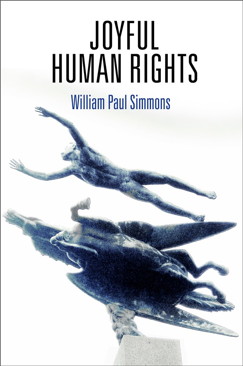
Joyful Human Rights by William Paul Simmons and Semere Keseste (Jan. 2019) is “a pioneering work that thoughtfully explores human rights in the context of the most joyful of human experiences, Joyful Human Rights disrupts current human rights thinking and practice and leads us to challenge the foundations of human rights afresh. The term “human rights” is now almost always discussed in relation to its opposite, “human rights abuses.” Syllabi, textbooks, and academic articles focus largely on abuses, victimization, and trauma with nary a mention of joy or other positive emotions. Focusing on joy shifts the way we view victims, perpetrators, activists, and martyrs. Importantly, focusing on joy mitigates our propensity to express paternalistic or salvatory attitudes toward human rights victims.”
The Sustainable Development Goals ( SDG’s) are a set of 17 targets set up by the UN, in which 193 countries pledge to make real, impactful change in the world by 2030. The World’s Largest Lesson has taken on the role of bringing these goals and targets to children and young people everywhere and unites them in action.
They produce free and creative resources for educators to teach lessons, run projects and stimulate action in support of the Goals. At the heart of their resources are animated films written by Sir Ken Robinson, animated by Aardman and introduced by figures students know and respect, like Emma Watson, Serena Williams, Malala Yousafzai, Kolo Touré, Neymar Jr, Hrithik Roshan and Nancy Ajram. The films establish a context for the Goals and inspire students to use their creative powers to support and take action for them.
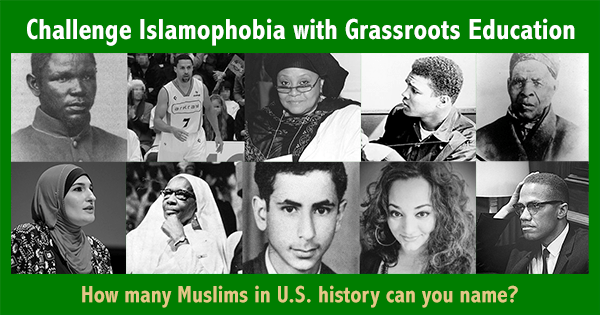
Islamophobia is getting worse. The number of anti-Muslim hate groups has grown exponentially. Anti-Muslim hate crimes increased another 15% and the bullying of Muslim children in schools is on the rise. If we want to reverse these trends, we need to challenge Islamophobia with educational resources that raise consciousness and move people to action.
Teaching for Change has created a seven-lesson curriculum called “Islamophobia: A people’s history teaching guide.” The lessons teach us to rethink what we know about the history of Muslims in the U.S., including the fact that Islamophobia is rooted in a history of racism. In addition to narrative-changing content and inclusive teaching strategies, our lessons elevate the voices of activists building justice. Each lesson includes detailed teaching directions, participatory activities, and multimedia teaching resources.
In 2018, Teaching for Change introduced the lessons to nearly 400 teachers who impact 60,000 students. The lessons are in the final stage of development and will be available in early 2019.

The Human Rights Watch (HRW) World Report is arguably the best country-by-country assessment of human rights to be found. HRW recently released its 2019 report, and the U.S. entry is sobering. According to the report, “The United States continued to move backward on human rights at home and abroad in the second year of President Donald Trump’s administration. With Trump’s Republican party controlling the legislative branch in 2018, his administration and Congress were able to pass laws, implement regulations, and carry out policies that violate or undermine human rights.”
The report chronicles domestic setbacks, such as continued whittling away of the Affordable Care Act, as well as backsliding in the areas of human rights diplomacy, with increased support for authoritarian regimes.
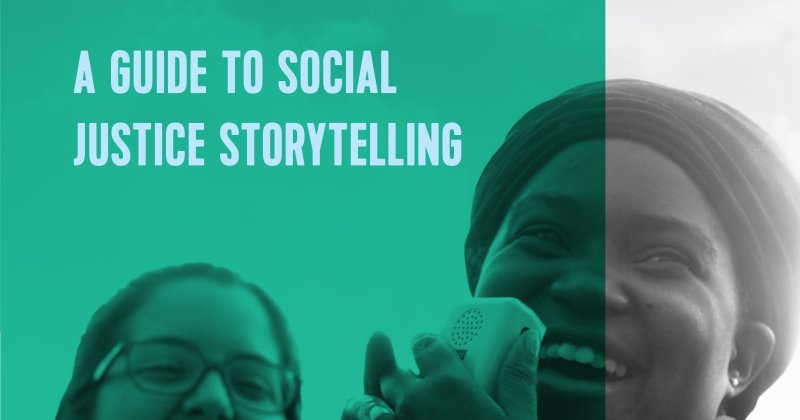
This new guide by Voice of Witness provides strategies and resources for creating justice-driven oral history projects.
Oral history is a universal form of storytelling. For many years Voice of Witness has shared powerful stories of people impacted by injustice with a broad audience of readers.
Say It Forward extends this work, offering a DIY guide for social justice storytelling that outlines the critical methodology at the core of Voice of Witness’s evocative oral history collections.
What’s Inside?

Each year, the National Endowment for the Humanities (NEH) funds summer institutes for K-12 teachers and higher education faculty to study a variety of humanities topics that address human rights issues. Stipends of $1,200-$3,300 help cover expenses for these one- to four-week programs.
 HRE USA