How can education catalyse the evolution of society? In HundrED’s newest “Spotlight on Education for Societal Change” we are looking for innovative educational practices from the Global South that catalyse societal change through approaches such as, but not limited to, peace education, gender equity, inclusivity, climate action, and social justice.
Ultimately, we aim to bring together a selection of high-quality, evidence-backed, scalable innovations that inspire positive change across education ecosystems and can strengthen the quality of education through reshaping values and opportunities.
This initiative is being carried out in partnership with VVOB and eNSPIRED.
With our virtual speakers bureau you can connect with human rights experts who are willing to join your class, meeting, or conference. Search the speaker database for folks with expertise on a given human rights issue. Decide on a speaker and email them. Their profile will tell you their areas of expertise, their fees (or suggested donations to NGOs), their biography, publications, and more. Once you have successfully held a video conference, let us know so that we can keep track of the use of this feature.
In recognition of the National Day of Remembrance for U.S. Indian Boarding Schools, observed each year on September 30, the National Native American Boarding School Healing Coalition (NABS) honors the lives of Native children taken from their families, remembers those who never returned home, and stands with survivors, their descendants, and Tribal Nations who continue to carry the weight of this history.
From the early 1800s through the mid-20th century, the U.S. Indian boarding school system sought to erase Native identity by forcibly removing children from their homes, languages, and cultures. Many endured neglect, abuse, and deep loss; thousands never made it back to their families. The generational trauma caused by these institutions continues to impact Native Nations today.
“We remember the children who never made it home, and we honor the survivors whose strength ensures their stories are not forgotten. They remain always in our hearts.” said NABS Chief Executive Officer Deborah Parker (Tulalip Tribes). “The Day of Remembrance brings us together to honor a painful history while reaffirming our collective commitment to truth, justice, and healing within our communities.”
As the Nation confronts this painful chapter in history, the National Native American Boarding School Healing Coalition urges all Americans to learn about the enduring impacts of the boarding school system and to actively support efforts that promote healing and justice for Native communities.
“We honor the lives forever impacted by this painful legacy, recognize the courage and strength of Survivors and Native communities, and reaffirm our shared responsibility to support healing, truth, and understanding,” said NABS Board President, Chief Benjamin Barnes (Shawnee Tribe).
NABS encourages communities across the country to take part in events, conversations, and actions that promote truth, healing, and understanding. By coming together, we can honor survivors, amplify their voices, share their stories, and support their healing journeys.
Below are five simple yet meaningful ways to observe the Day of Remembrance for Indian Boarding Schools (Orange Shirt Day):Wear Orange – Put on an orange shirt to honor survivors and remember those who never came home. Share why you’re wearing it to spark conversations.Learn and Share – Take time to learn about the history and impact of Indian boarding schools, then share resources or stories with friends, family, or on social media.Support Survivors – Donate to the National Native American Boarding School Healing Coalition (NABS) to help fund truth, healing, and justice efforts.Create Space for Reflection – Observe a moment of silence, light a candle, or attend a remembrance event in your community.Uplift Native Voices – Read books, listen to podcasts, or watch films created by Native authors and filmmakers, and recommend them to others.To learn about the impact of U.S. Indian Boarding Schools, and to explore organizations, states, and communities that support and honor the Day of Remembrance, please visit boardingschoolhealing.org.
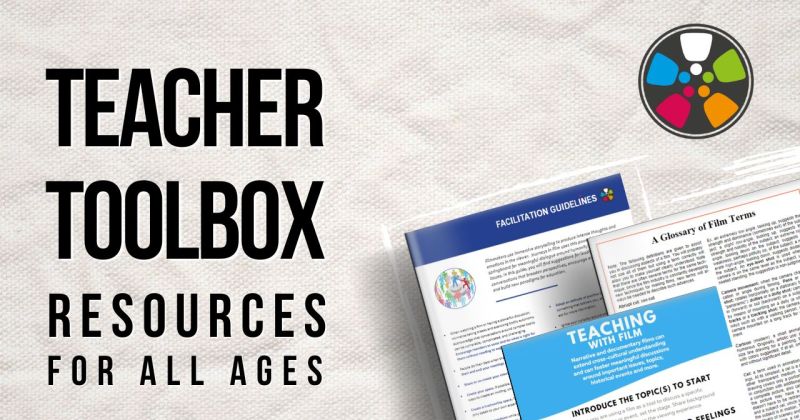
The Teacher Toolbox resource collection features free printables to help you teach with film and other media to enrich your classroom and boost student engagement. These resources can also help you facilitate film screenings in a wide variety of settings.
The Teacher Toolbox resources are designed to support educators in a wide range of learning environments. New to our materials?—Start here!
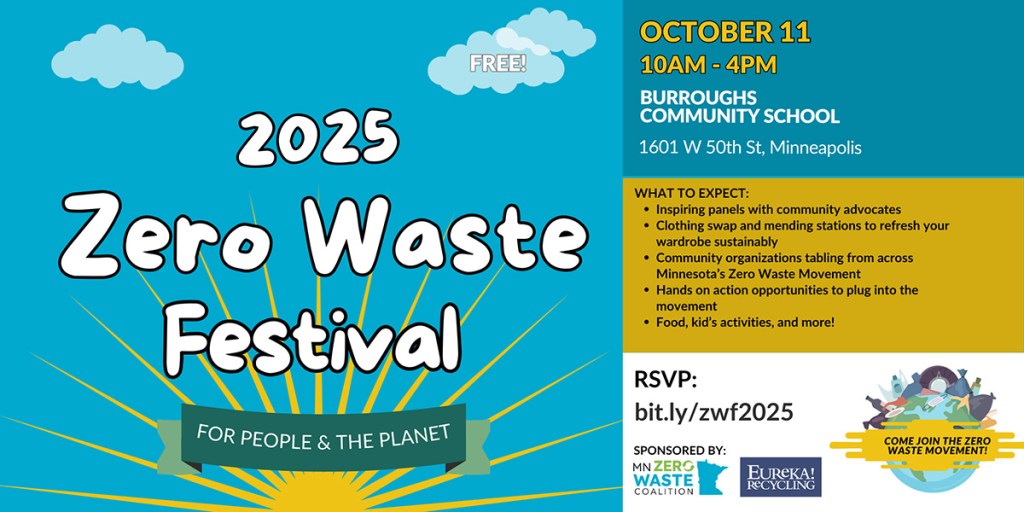
Climate Generation is a proud member of the Zero Waste Coalition, a group of environmental justice organizations working to advance policies that would challenge our throwaway and single use culture. As a coalition, we have advocated for several solutions like expanding our Electronic Waste Recycling programs, requiring additional toxins testing for our food packaging, and overall policies that would eliminate our need for single use plastic.Solutions like these and many others will be highlighted at our upcoming Zero Waste Fest!
This free community event will be taking place at the Burroughs Community School from 10am – 4pm and will have:Inspiring panels on zero waste, plastics, and reuseTabling from local groups and ways to get involvedClothing swaps and mendingFood trucks, art, and musicZero Waste Fest is a day to come together, celebrate solutions, and build momentum for a zero waste future in Minnesota. From reuse and repair to composting and recycling, we’ll share bold policies and build community power to address our waste and climate crises. Enjoy thought-provoking panels, delicious food, local art, and hands-on activities that make it easy to take action.You can RSVP here!
This module highlights youth activism, digital advocacy, and civic participation, with intergenerational dialogue on how adults can support youth leadership. Focuses on global and local efforts to restrict civic space and protest. Register here
Human Rights Educators USA’s annual Training as Action Series (TAAS) is a virtual training series focused on bridging personal and collective action on some of the most critical human rights issues of today. TAAS creates an educational space to connect and collaborate with others in human rights education and training. It also gives participants the skills and information needed to take action on rights issues in their communities.
The 2025–2026 Training as Action Series will center on the theme, “Defending Democracy and Human Rights in a Changing World.” This year’s sessions will explore urgent issues such as misinformation, protest rights, climate justice, and digital surveillance, highlighting how human rights education can equip communities to respond with clarity, courage, and collective action. Those who attend six or more sessions will receive a certificate from HRE USA. 2025-26 TAAS Flyer
HRE USA is a project of the Center for Transformative Action.
During Latinx Heritage Month (September 15–October 15), we see the same shortlist of influential figures. How often do we hear the names of Afro-Latinos, Central Americans, and contemporary activists? Check out books on the lists below to fill these gaps.
Visit our booklist for recommendations related to themes, including Afro-Latinx, Cuba, Dominican Republic, Puerto Rico, Mexican American / Chicana / Chicano, Spanish / Bilingual, and more.
Visit Teaching for Change’s website TeachingCentralAmerica.org for more resources to teach about Central America, including lessons, films, websites, biographies of noted historical figures, and readings for free use by classroom teachers.
Visit our booklist for links to related titles on El Salvador, Panama, Honduras, Nicaragua, and Guatemala.
Our booklist features titles we recommend on immigration policy and politics, the immigrant experience, and human displacement due to many factors, including climate injustice, capitalism, and militarism, with a focus on the United States.
Are you interested in a global career and passionate about corporate sustainability strategies? Apply now for UNITAR and Schiller’s Master of Science in Sustainability Management.
The Master of Science in Sustainability Management, developed in collaboration with United Nations Institute for Training and Research (UNITAR), is designed to empower future leaders to drive sustainable transformation. This program equips you with expertise in carbon footprint management, circular economy, ESG reporting, and the UN’s Sustainable Development Goals (SDGs), preparing you to create real-world solutions to global sustainability challenges.
Students will study in Paris or Madrid and tackle pressing issues in business, economics, and public policy using a triple-bottom-line approach—people, profit, and planet. You will gain in-depth insights into corporate sustainability, sustainable finance, and resource management by working on real-world projects addressing environmental and social challenges.
Ask An Oral Historian consultation hours are your chance to dive into the intricacies of oral history and learn alongside fellow storytellers. Whether you’re wrestling with a current project or just curious about the craft, these monthly 60-minute working sessions are your space to grow and ask questions in an intimate, small-group setting.
In September, we’re diving deep into narrative editing! It’s an art and it makes oral histories accessible because it’s where raw interviews transform into compelling stories. Together, we’ll explore the delicate balance between preserving authentic voices and crafting engaging narratives—and more importantly, how to honor your narrators while creating stories that truly resonate.
September 25, 2025, 12:00 pm PT / 3:00 pm ET, Virtual
The Political Declaration adopted by the 69th session of the Commission on the Status of Women (CSW) this March delivers a sobering truth: no country in the world has fully achieved gender equality or the empowerment of women and girls. Every five years at the CSW, the international community gathers to assess the lived realities of millions of women and girls and adopt a Political Declaration that sets shared goals and renews global urgency for lasting gender equality.
The 2025 Political Declaration was adopted in the midst of deeply polarized negotiations, with several states, including Argentina, Nigeria, Russia, and the United States, seeking to undermine long-standing language on gender and gender equality. Within this context, the fact that the Declaration was adopted at all signals a degree of resilience in the face of rising global backlash.
The Advocates for Human Rights welcomes the Declaration’s recognition of areas that require further attention, including technology-facilitated gender-based violence, the burden of unpaid care work on women, the impact of armed conflict on women and girls, and the importance of engaging young women as well as men and boys in achieving gender equality.
Yet the Declaration leaves much to be addressed.
The Declaration fails to mention sexual and reproductive health and rights, a critical omission given the growing attacks on these rights globally. For example, the UNFPA has found that there are 58 countries where at least one in four women still cannot make their own decisions about their sexual and reproductive health. Despite this reality, the Declaration overlooks access to abortion, contraception, family planning, comprehensive sexuality education, and the recognition of same-sex marriages and adoptions.
Did You Attend the 1995 Beijing World Conference on Women’s Rights?
2025 marks the 30th anniversary of the 1995 Fourth World Conference on Women in Beijing. The Advocates is collecting oral histories from women who attended this conference and want to share their experiences, hopes, and thoughts. We will be recording these interviews as video and podcast features in 2025.
>> If you attended the 1995 Beijing conference and want to share your experiences, please email rpark@advrights.org




 HRE USA